
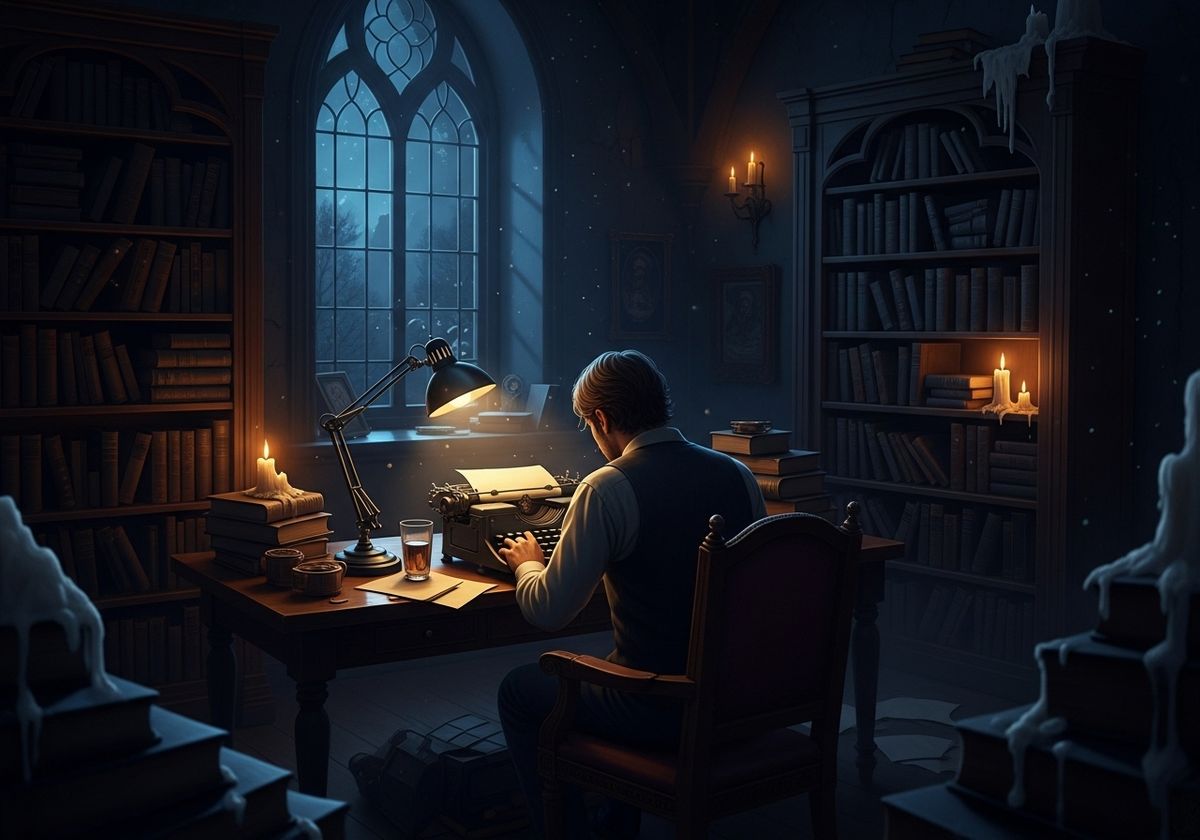
Crafting compelling horror goes beyond jump scares and gore. It's about creating an immersive experience that grips your readers, digs under their skin, and leaves them with a lingering sense of unease. To truly terrify, you need to transport them into the heart of your nightmare. Keep reading as Apricity & Ink explores how to achieve this.
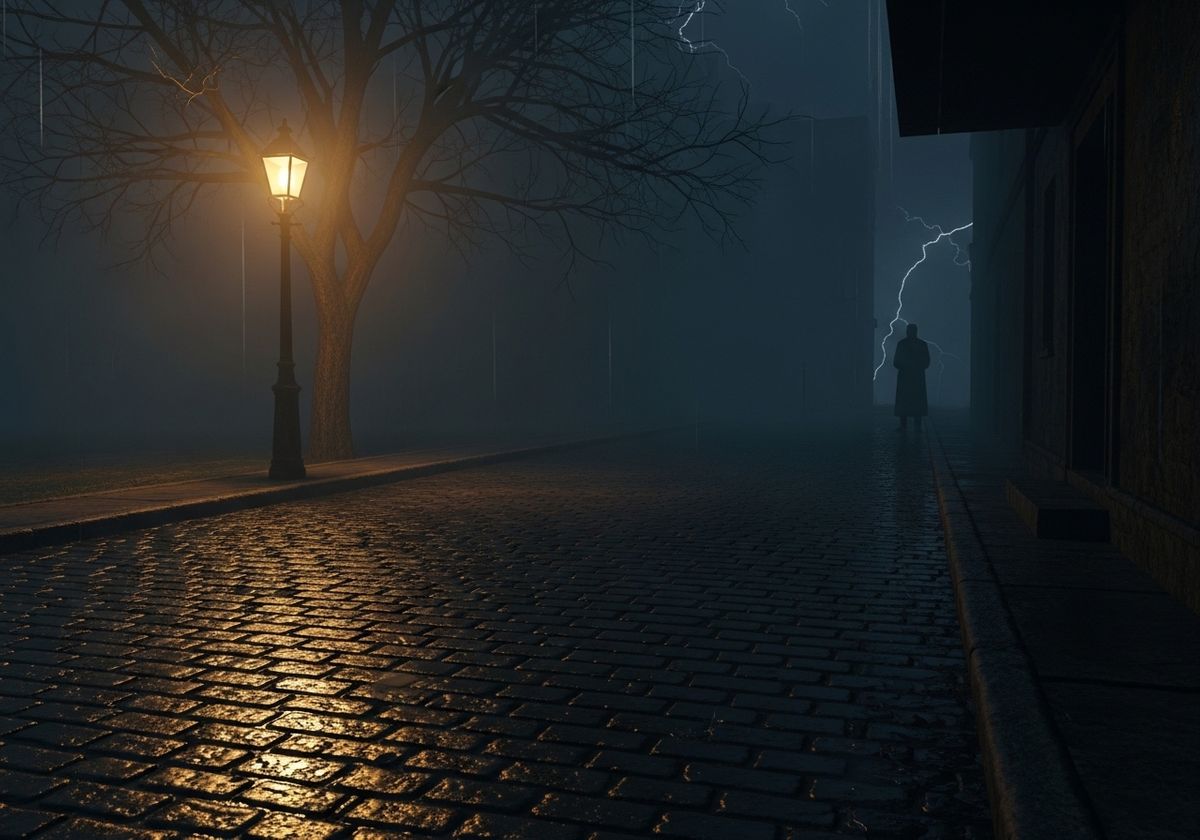
Building a Believable World
The foundation of immersive horror lies in crafting a believable world. This doesn't necessarily mean a realistic one, but rather a world with its own internal logic and consistent rules. Pay attention to detail. What does your setting smell like? What sounds echo in the darkness? Use vivid language to paint a picture that engages all five senses.
Sensory Details: Don't just tell us it's dark; tell us how the darkness feels, how it muffles sound, how it prickles against the skin.
Consistency: Establish the rules of your world and stick to them. Breaking these rules can shatter the reader's immersion.
Research: Even fantastical settings benefit from research. Understanding real-world geography, history, or mythology can add depth and authenticity to your creation.
Developing Compelling Characters
Readers need someone to root for, even if that someone is deeply flawed. Invest time in developing compelling characters with believable motivations, fears, and desires. When the horrors begin to unfold, readers will be more invested in their fate.
Vulnerability: Show your characters' vulnerabilities. It makes them relatable and heightens the sense of danger.
Internal Conflict: Give your characters internal struggles that mirror the external threats they face. This adds layers of complexity and emotional depth.
Backstory: A well-developed backstory can explain a character's actions and motivations, making them feel more real.
Mastering the Art of Suspense
Suspense is the lifeblood of horror. It's the feeling of anticipation, the dread that something terrible is about to happen. Master the art of building suspense to keep your readers on the edge of their seats.
Pacing: Control the pace of your story. Slow down during moments of high tension, allowing the reader to savor the dread. Speed up during action sequences to create a sense of urgency.
Foreshadowing: Hint at future events without giving too much away. This creates a sense of unease and anticipation.
Unreliable Narrator: Use an unreliable narrator to create doubt and uncertainty. This can be a powerful tool for keeping readers guessing.
Show, Don't Tell
This age-old writing advice is especially crucial in horror. Instead of telling your readers that something is scary, show them through vivid descriptions and evocative language.
Active Voice: Use active voice to create a sense of immediacy and urgency.
Specific Details: Avoid vague descriptions. Instead of saying "the room was cold," describe the way the character's breath mists in the air.
Emotional Impact: Focus on the emotional impact of events on your characters. How do they react to the horrors they witness?
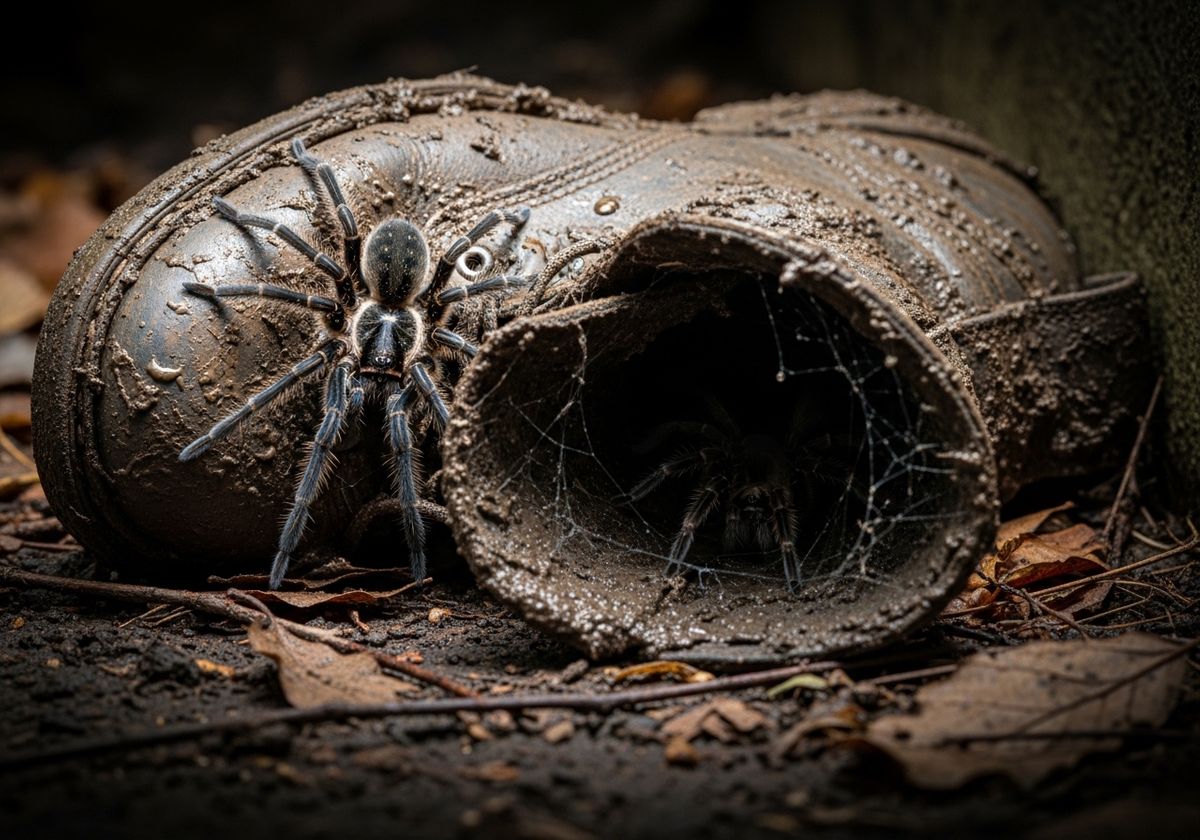
Immersive horror is about more than just scaring your readers; it's about creating an experience that stays with them long after they've finished reading. By building believable worlds, developing compelling characters, mastering suspense, and showing instead of telling, you can craft stories that will truly get your readers' blood pumping. At Apricity & Ink, we understand the power of words and their ability to transport readers to other worlds, whether filled with joy or terror. If you're looking to refine your creative writing skills and unleash your inner storyteller, explore our resources and discover how we can help you craft unforgettable narratives. Contact us for more information about our services and writing contests.